THERMAL RESILIENCE & AIRFLOW STABILITY IN INDUSTRIAL FACILITIES
Improving uptime through advanced cooling strategies, airflow management, and thermal control.

THERMAL RESILIENCE THROUGH AIRFLOW MANAGEMENT
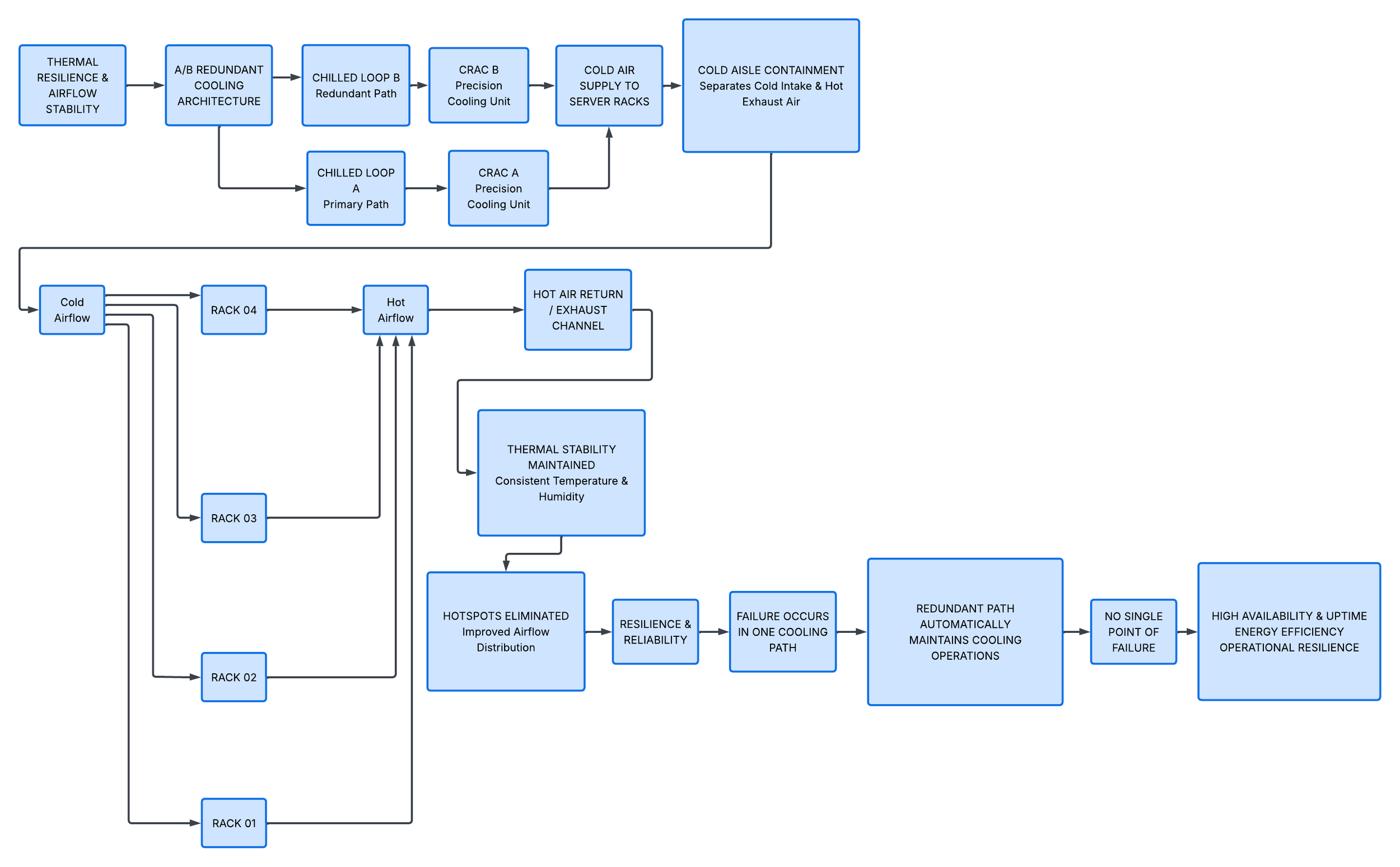
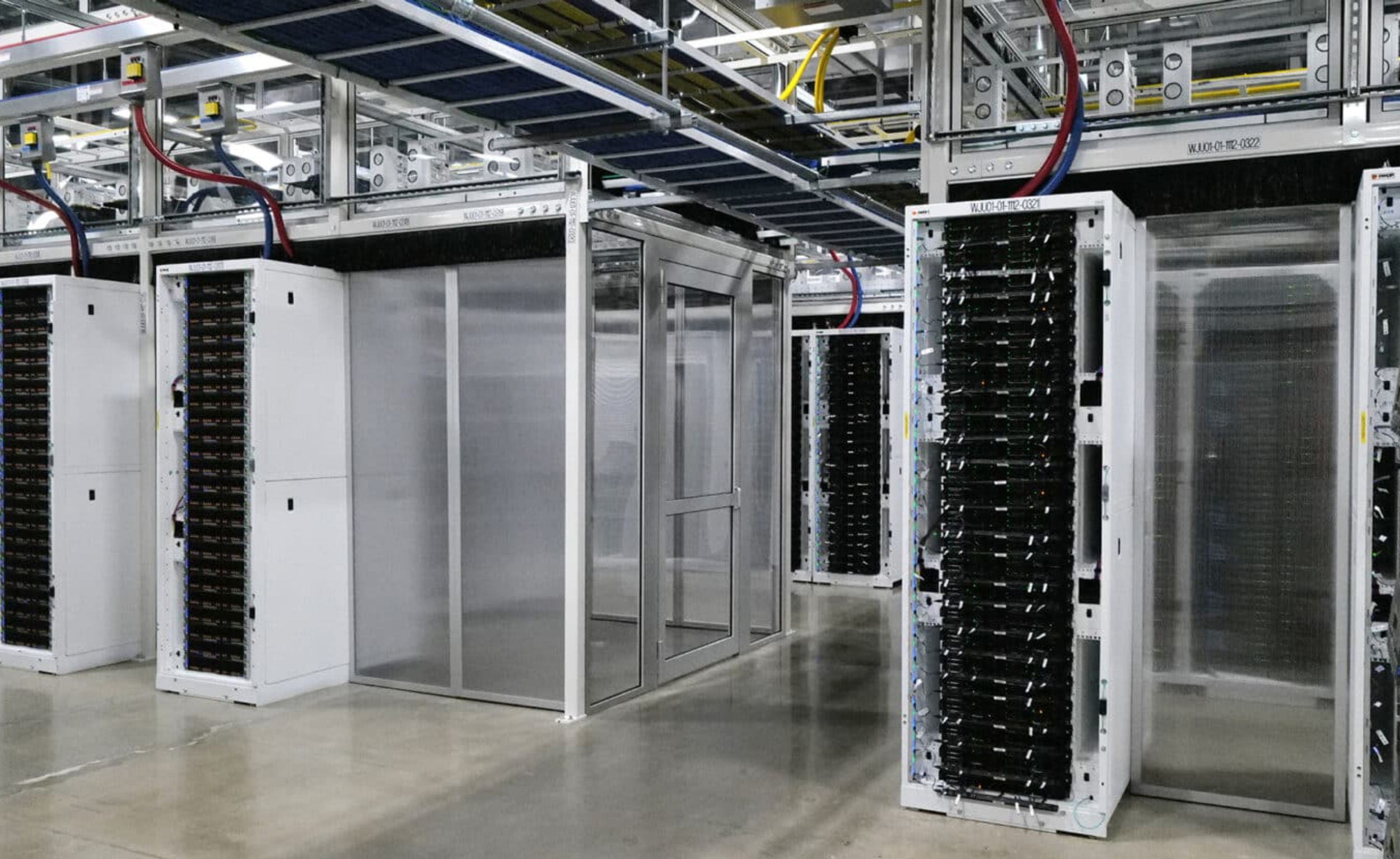
These systems feed into cold aisle containment structures, which are engineered barriers that separate cold intake air from hot exhaust air. This separation improves cooling efficiency and supports ASHRAE recommended operating ranges for data centers.
Containment systems maintain airflow discipline and reduce energy waste. This directly improves thermal stability and reduces risk of overheating events.

COOLING EFFICIENCY & STABILITY
For cooling distribution, mirrored chilled water loops supply CRAC units across the facility. CRAC units are precision cooling systems designed to maintain stable temperature and humidity conditions for IT loads.
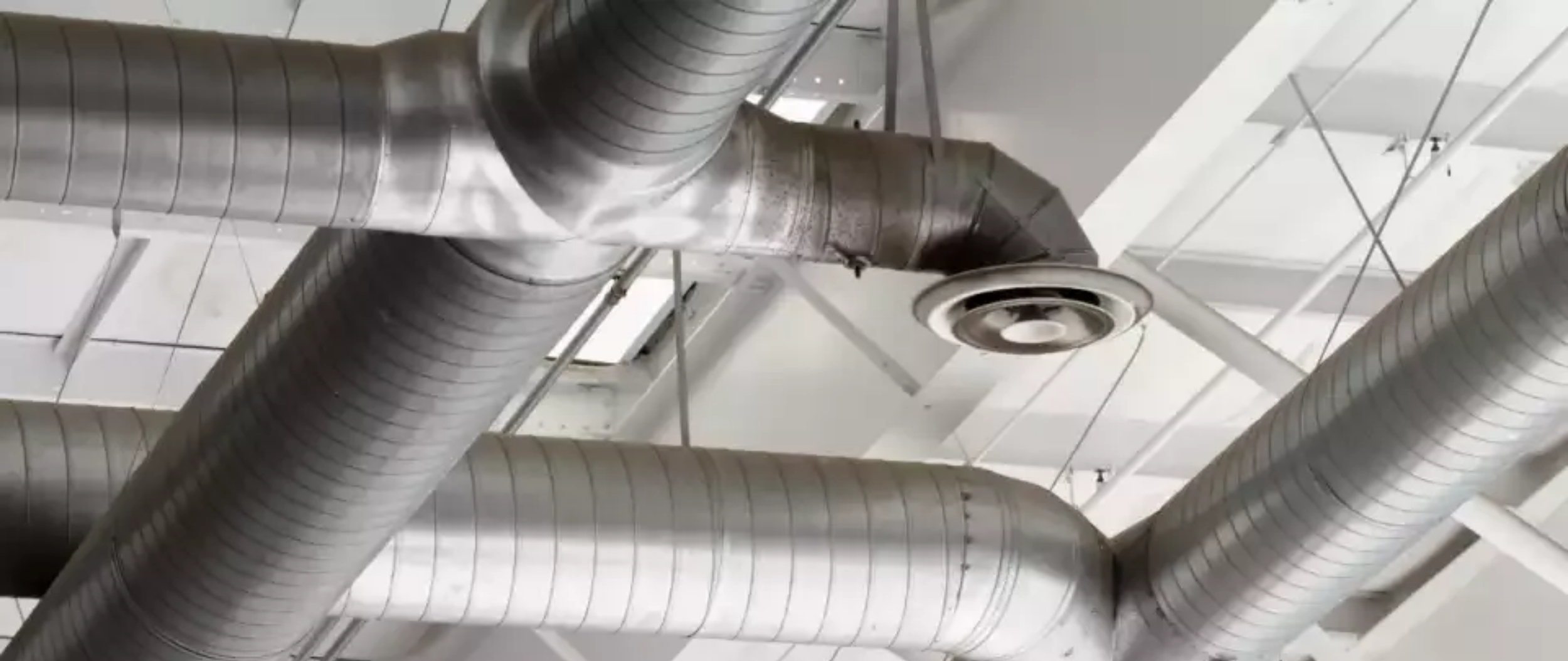
Proper airflow management helps eliminate thermal hotspots and ensures consistent environmental conditions throughout the facility.
CONCLUSION
The A/B redundant design architecture ensures that no single failure can disrupt mission-critical operations. Through compliance with TIA-942-B, ASHRAE, ISO 9001, and NETA standards, the system achieves high availability and operational resilience.
By combining redundancy, proper airflow management, and structured commissioning, the design ensures continuous uptime, energy efficiency, and long-term infrastructure reliability.
KEY TAKEAWAYS
• No single point of failure
• Improved thermal stability
• Enhanced cooling efficiency
• Structured commissioning process
• High availability and operational resilience